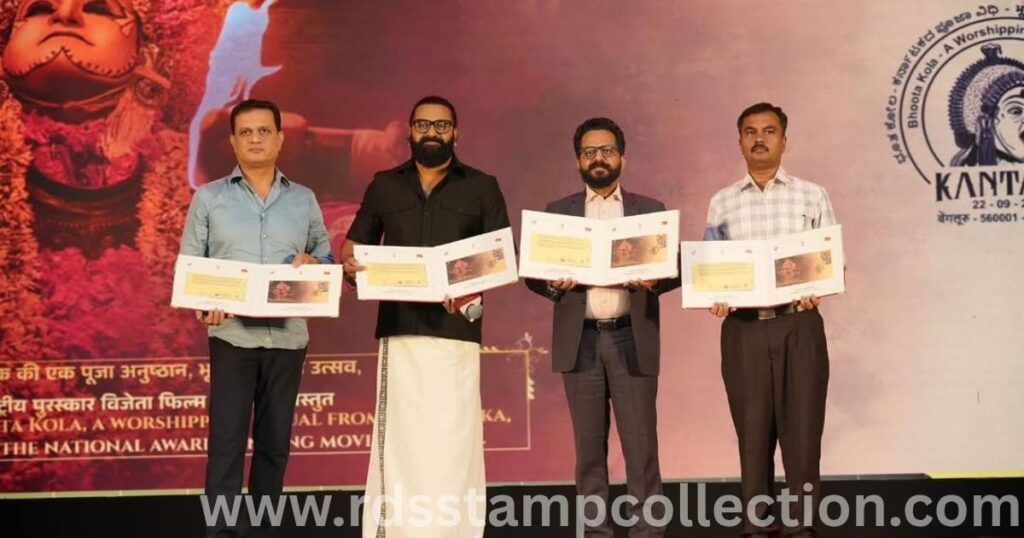
India Post has once again shown its strength in celebrating India’s cultural identity. The Karnataka Postal Circle, in association with Hombale Films, has released a Special Themed Cover and two Picture Postcards dedicated to Bootha Kola – the ritual that forms the spiritual core of Kantara.
This release is more than a postal item. It is a cultural document. A reminder of a tradition that survived centuries. And a tribute to the stories that shaped Karnataka’s coastal identity.
Why This Release Matters
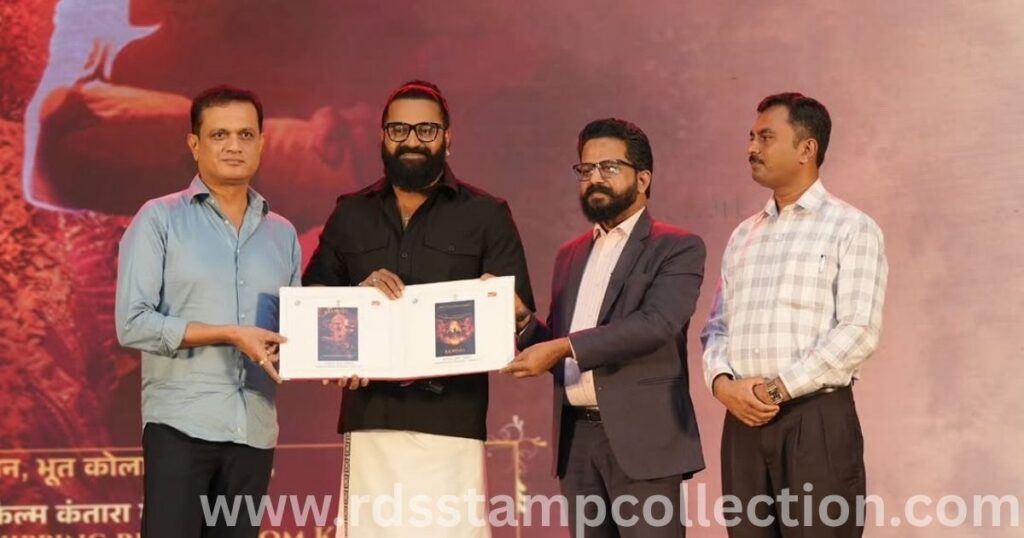
Philately has always captured moments where art, culture, and history come together. This special release does exactly that:
- It honours a ritual practice unique to Tulu Nadu.
- It marks a cinematic legacy that brought this tradition to global attention.
- It connects collectors to a living cultural heritage.
- For collectors, this set stands out as a powerful combination – contemporary cinema × timeless folklore × official postal recognition.
Bootha Kola – The Spirit Behind the Story
Bootha Kola is not entertainment. It is devotion. A ritual of service, trance, dance, and ancestral worship seen across coastal Karnataka.
Key aspects:
- A Daiva Narthaka (performer) becomes a living medium between humans and divine spirits.
- Traditional music, elaborate face painting, swords, and fire create an intense spiritual atmosphere.
- The ritual reflects themes of justice, community protection, and connection to the land.
- This is the cultural heartbeat that inspired Kantara.
- The special cover and postcards preserve this heritage in philatelic form – something future generations will value.
Kantara – A Modern Cultural Wave Reborn
The success of Kantara in 2022 changed everything for Bootha Kola. A ritual that was known deeply within coastal Karnataka suddenly reached living rooms across the world. The film’s raw portrayal of land, tradition, devotion, and justice struck a universal chord.
A quick look at the first Kantara (2022)
- Became one of India’s biggest sleeper hits.
- Earned ₹400+ crore worldwide despite being a regional release.
- Achieved cult status for its climactic performance rooted in Daiva Nartana.
- Brought Tulu traditions, forest conservation themes, and agrarian conflicts into mainstream discourse.
- Elevated Rishab Shetty’s stature as a director-actor who could merge folklore and cinematic intensity.
- This cultural wave created the foundation – and the expectation – for what came next.
Kantara Chapter 1 – Going Deeper Into the Origin
Kantara Chapter 1 is not a sequel. It is the origin story of the universe that the first film introduced.
Where Kantara (2022) discussed faith, land conflict, and community justice through the eyes of Shiva, Kantara Chapter 1 goes centuries back – into the mythology, the Daiva lineage, and the ancestral roots that shaped those beliefs.
Key highlights:
- A mythological prequel exploring how the Daiva tradition began.
- Focuses on kingship, devotion, land, and the first spiritual promises that defined the region.
- Sets the spiritual and emotional context for everything that unfolds in the original film.
- Designed on a larger scale – deeper rituals, more elaborate Daiva sequences, and extensive world-building.
- The film opened to massive demand, with 2,500+ paid premiere shows, a record figure for a Kannada film.
- Its OTT rights were sold to Amazon Prime Video for ₹125 crore, making it one of the costliest Kannada films in digital terms.
About the Special Cover & Picture Postcards
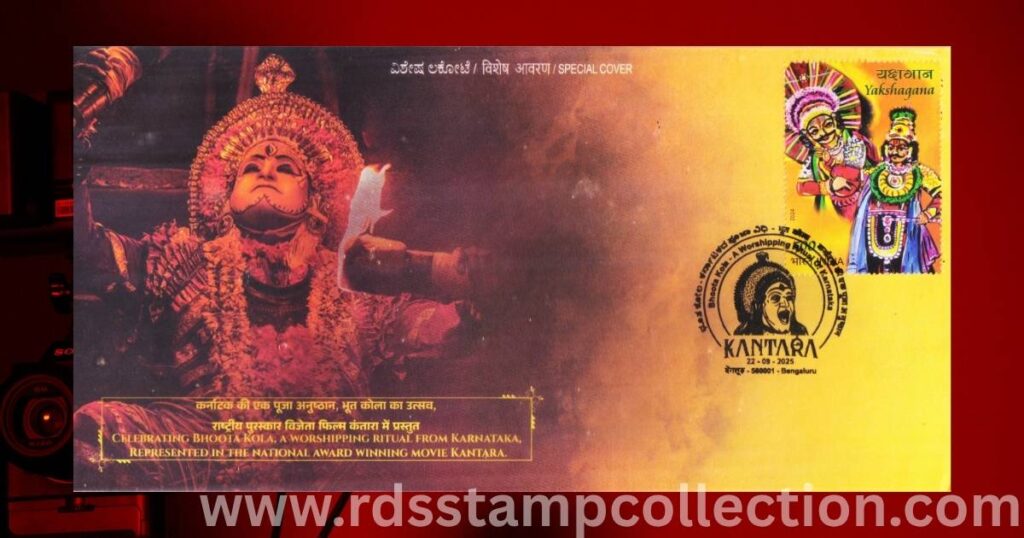
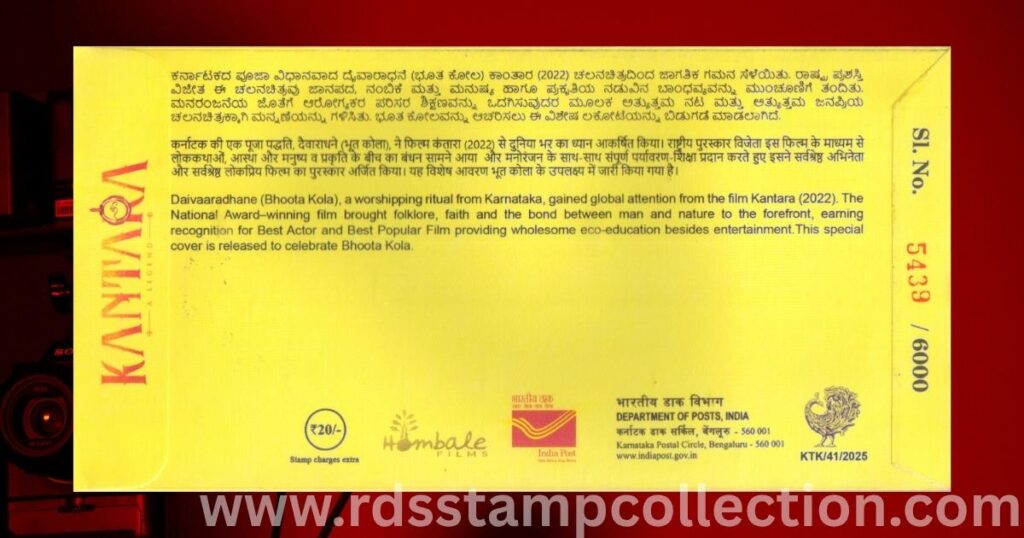
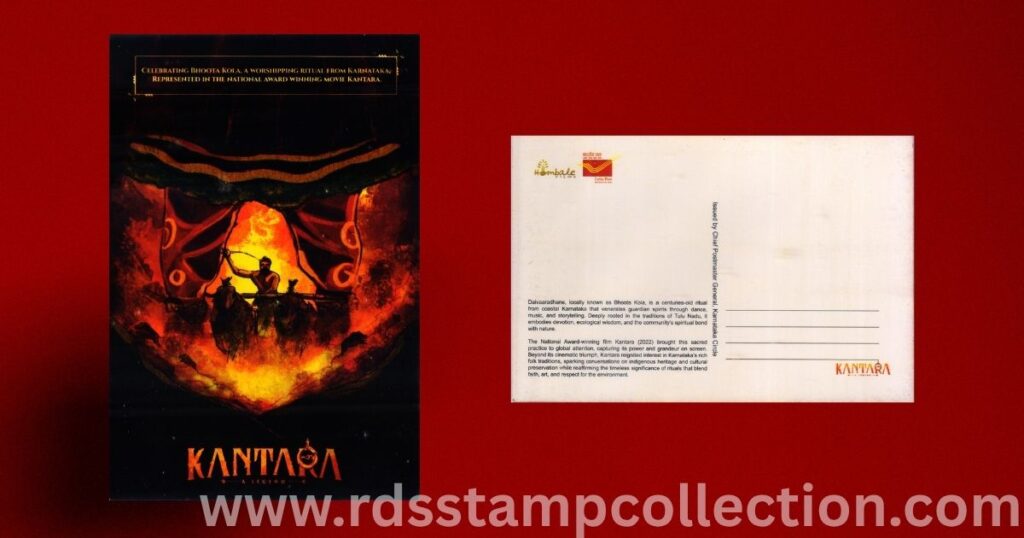
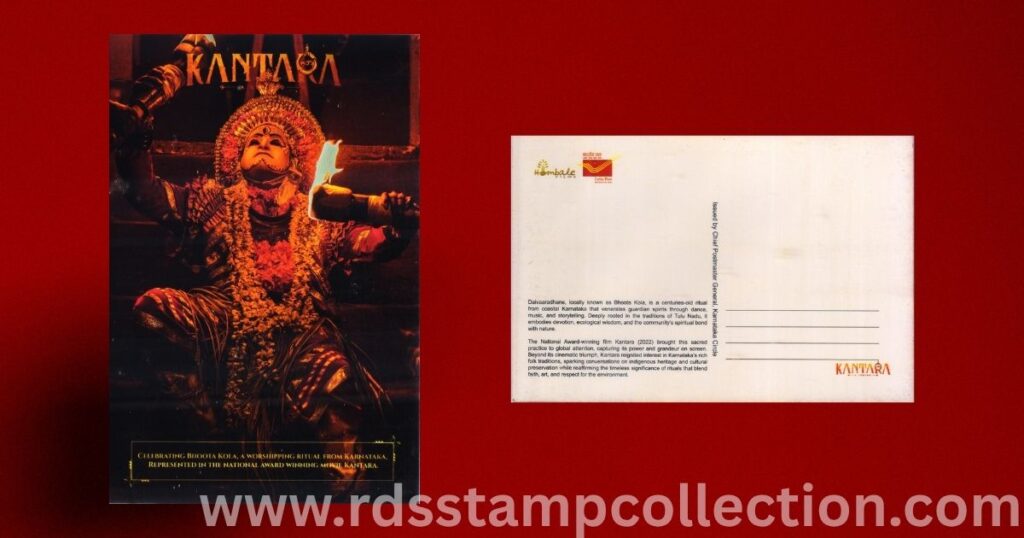
Closing Notes
The Special Cover and Picture Postcards on Bootha Kola are more than philatelic items.
They preserve a living ritual.
They acknowledge a cultural revival shaped by Kantara.
And they showcase India Post’s commitment to documenting India’s heritage through stamps and covers.
The design is impressive and visually strong.
But I personally felt the printing quantity was far too high.
With 6,000 Special Covers printed, the sense of scarcity simply isn’t there.
Most releases stay around 2,000 copies, and that smaller number usually gives them a collectible edge.
Here, that charm is missing.
This became even clearer when I compared it with Maharashtra Postal Circle’s approach.
Their limited releases — especially the 50 Years of Sholay issue — felt genuinely rare and instantly collectible.
I was hoping for a similar experience here, but it didn’t happen.
Even so, the Bootha Kola release remains culturally significant and deserves a place in any thematic or Karnataka-focused philatelic collection.