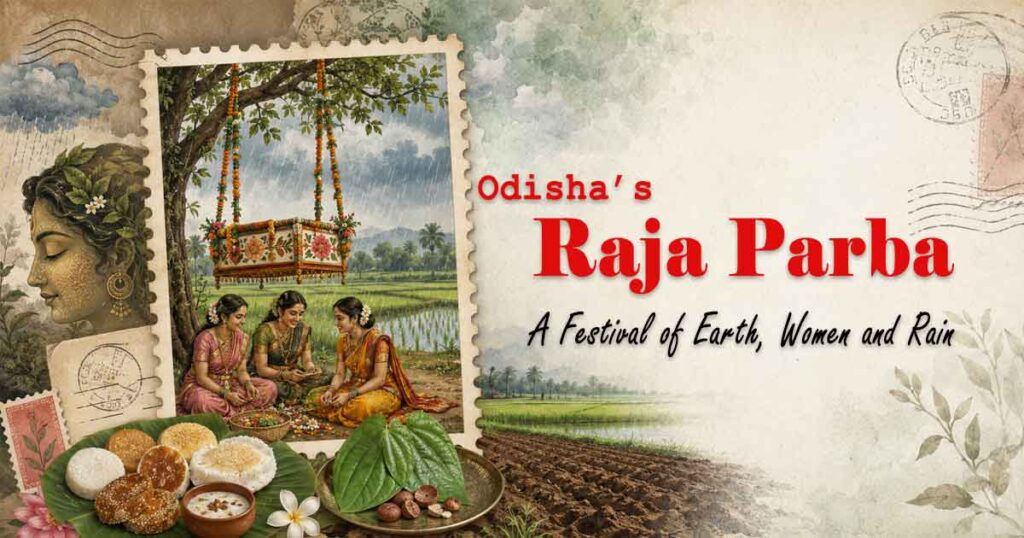
Raja Parba, also known as Raja Festival or Mithuna Sankranti, is one of Odisha’s most distinctive monsoon festivals. It marks the symbolic menstruation and fertility of Mother Earth before the agricultural season begins. During the festival, ploughing and other agricultural work are traditionally avoided. Girls and women wear new clothes, apply alta, enjoy swings, sing folk songs, play games, eat pithas and chew festive paan.
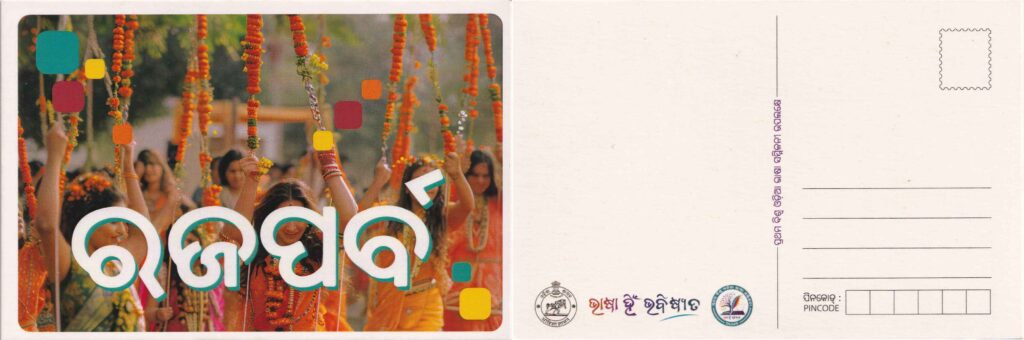
A regular commemorative postage stamp devoted exclusively to Raja Parba appears not to have been issued so far. This makes the festival an interesting subject for thematic philately. Instead of depending on a single stamp, the collector must build the story through related material: stamps, special covers, cancellations, postcards and postal stationery connected with Odisha, agriculture, women, food, folk culture, the Sun and the monsoon.
The word “Raja” is commonly associated with “rajas” or “rajaswala”, referring to menstruation. The festival is observed around Mithuna Sankranti, when the Sun enters Gemini. It also coincides with the arrival of the monsoon over Odisha. In the traditional imagination, rain prepares the soil for fertility, just as menstruation is linked with the reproductive cycle in women. For three days, the Earth is allowed to rest. She is not ploughed, cut or disturbed. The fourth day, known as Vasumati Snana, symbolically marks the ceremonial bathing of Mother Earth and the renewal of agricultural life.
Monsoon and Agriculture
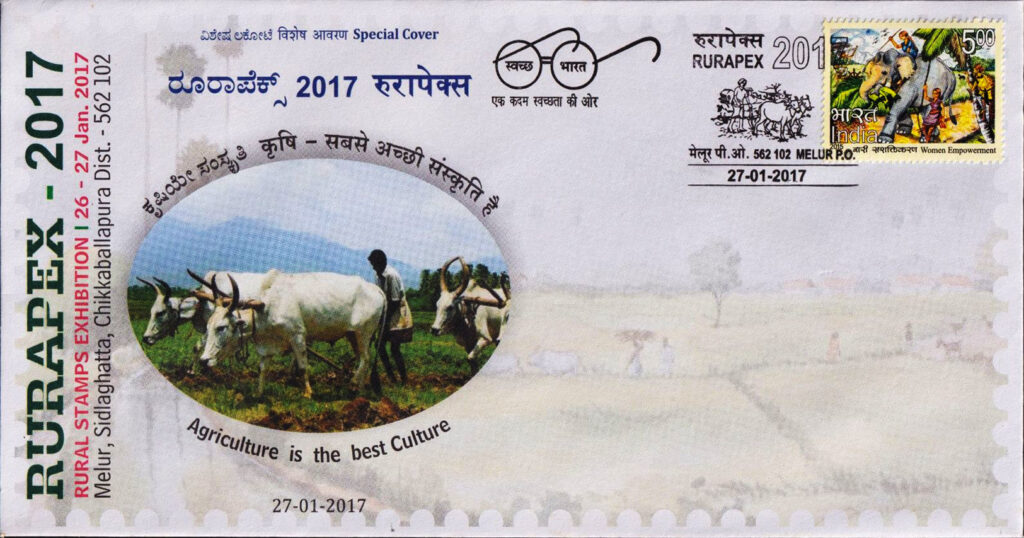
Raja comes at the beginning of the rainy season and just before cultivation. Its agricultural meaning is central: the soil is not merely land to be used, but a living mother to be respected.
Mithuna Sankranti and the Sun
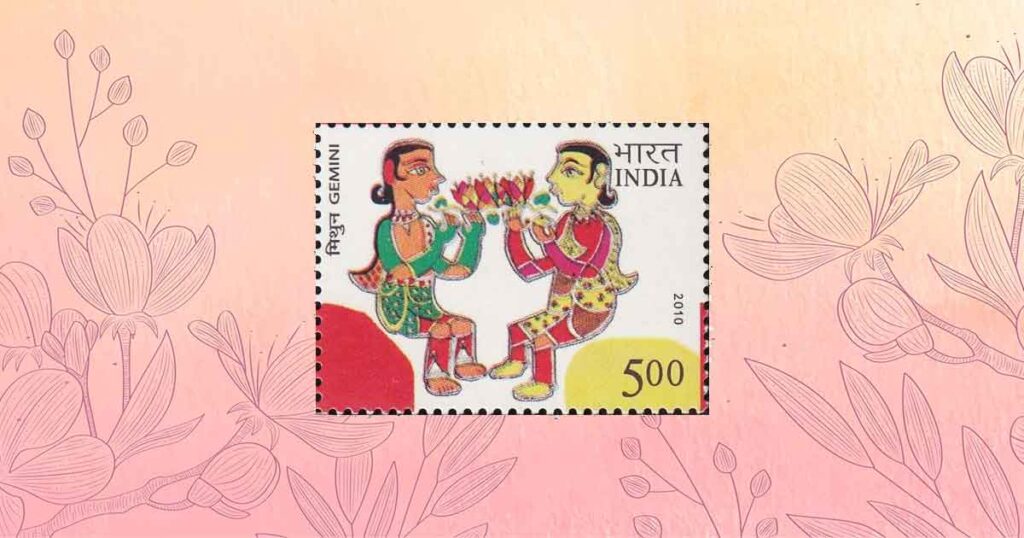
Raja Sankranti is linked with the Sun’s entry into Mithuna, or Gemini. This gives the festival a calendrical and astronomical dimension.
Mother Earth and Fertility

Raja treats the Earth as a living mother undergoing a fertile cycle. This makes it both an ecological festival and a fertility festival.
Women and Menstruation
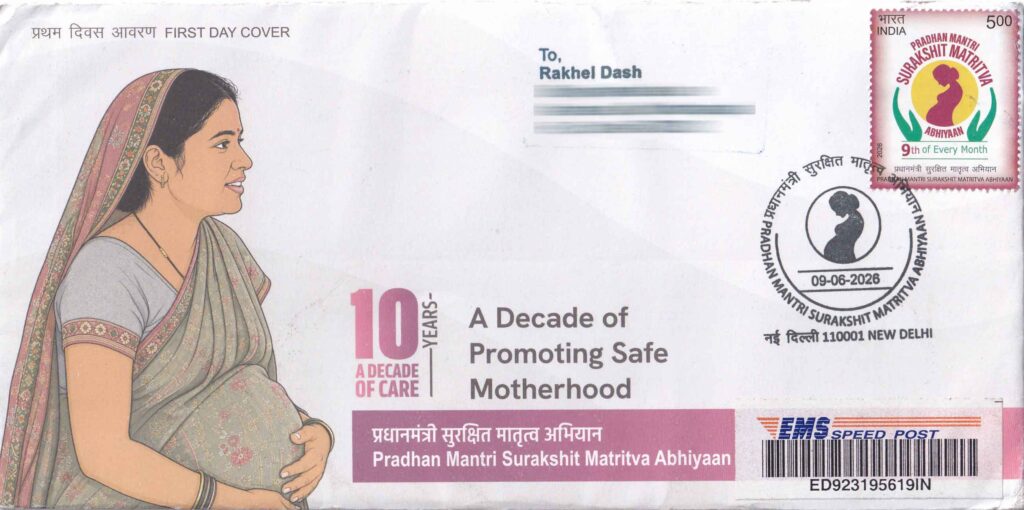
Raja is strongly women-centred. Girls and women rest from routine work, dress in new clothes, apply alta, enjoy swings and participate in songs and games. Unlike many social contexts where menstruation is treated with silence or discomfort, Raja places the female cycle within a larger cultural symbolism of fertility, renewal and respect.
Swings, Songs and Games
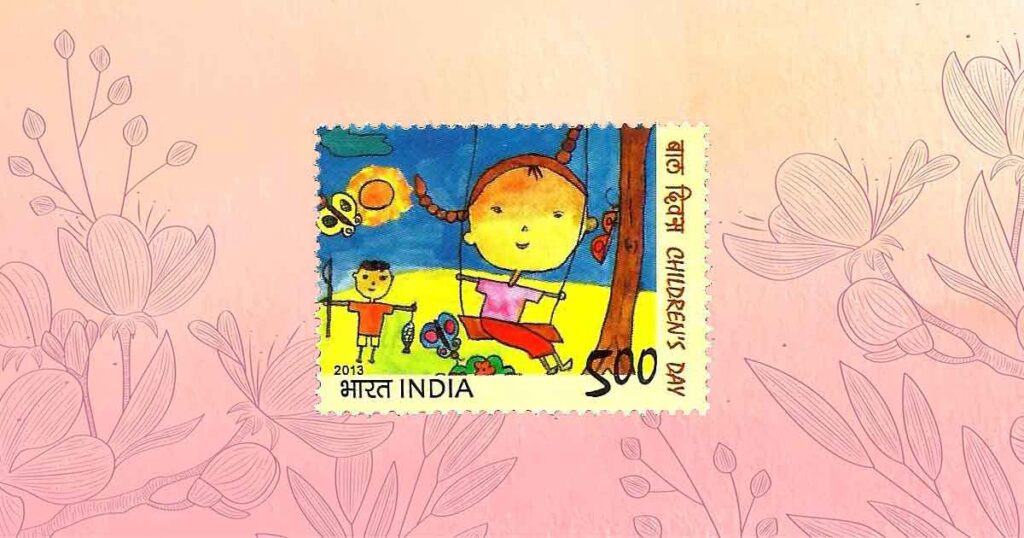
The decorated swing, or Raja doli, is one of the most recognisable images of the festival. Folk songs, traditional games and village gatherings give Raja its visual and emotional character.
Food Culture
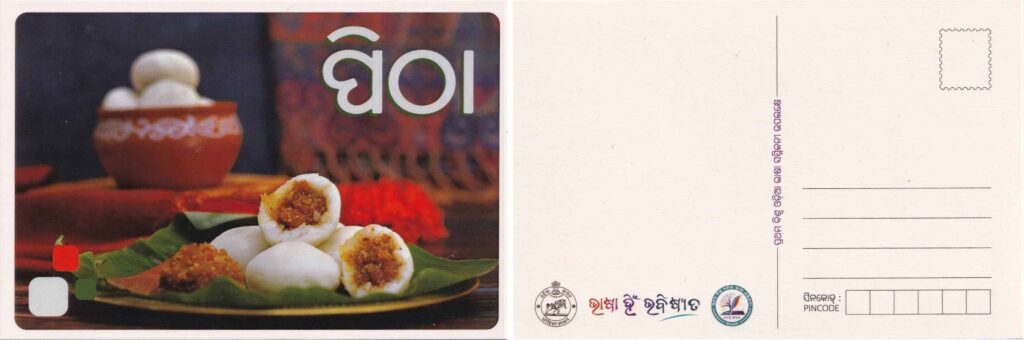
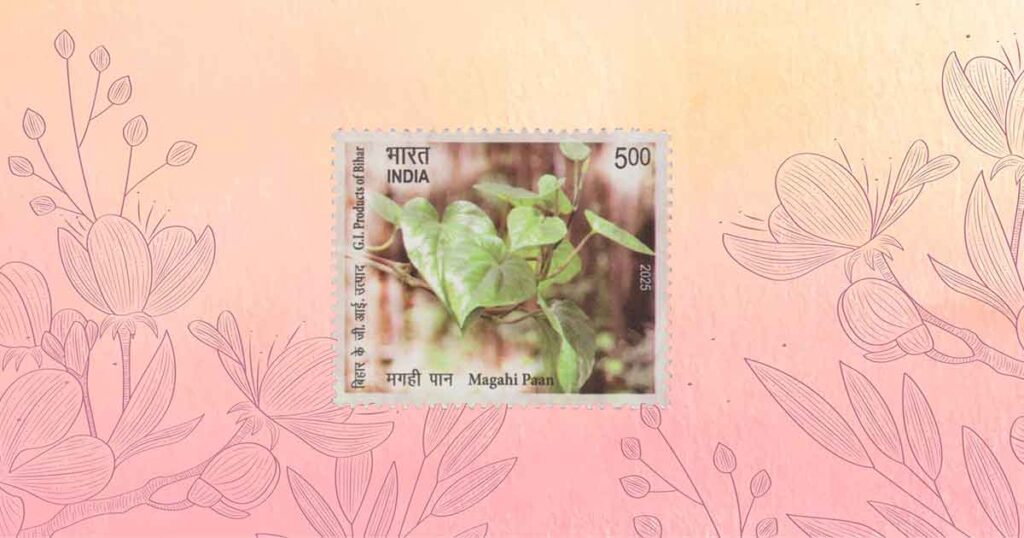
Poda pitha, other pithas, paan and festive preparations are integral to Raja. Food is not incidental here; it is part of the festival’s social memory.
Raja Parba is not merely a festival of swings and pithas. It is a festival of Earth, fertility, women, monsoon and Odia identity. For the philatelist, its importance lies not only in whether a commemorative stamp exists, but in the wider thematic journey it makes possible. Through agriculture, astronomy, ecology, womanhood, folk culture and food, Raja Parba can be meaningfully represented as one of India’s most poetic celebrations of renewal.